In contemporary interiors, wall art is no longer an optional accessory; it has become the centerpiece of visual storytelling inside homes, offices, cafés, and commercial spaces. We recognize that every wall presents an opportunity to express personality, mood, and aesthetic sophistication. Carefully chosen decorative wall art enhances depth, character, and harmony while transforming plain walls into emotionally engaging focal points.
From minimalist canvas prints to luxury handcrafted paintings, wall décor shapes how a room is perceived—making spaces appear larger, warmer, brighter, or more luxurious. In this comprehensive guide, we present the ultimate strategies, styles, placement techniques, and selection insights that ensure your wall art not only complements your space but elevates it to a professional interior-design standard.
Understanding the Importance of Wall Art in Interior Styling
Wall art plays multiple roles beyond decoration. It functions as:
- A visual anchor that balances furniture arrangements
- A color harmonizer that connects different elements of a room
- A conversation starter reflecting personal identity
- A mood enhancer influencing psychological comfort
- A space enhancer creating visual depth and dimension
When we strategically integrate large wall art or gallery wall arrangements, even simple interiors acquire a designer-quality aesthetic that appears curated and intentional.
Popular Types of Wall Art for Modern Homes
1. Canvas Wall Art
Canvas prints remain the most popular option due to their durability, affordability, and premium appearance. Available in abstract, landscape, modern, and photographic designs, they suit living rooms, bedrooms, hallways, and offices.
2. Abstract Wall Art
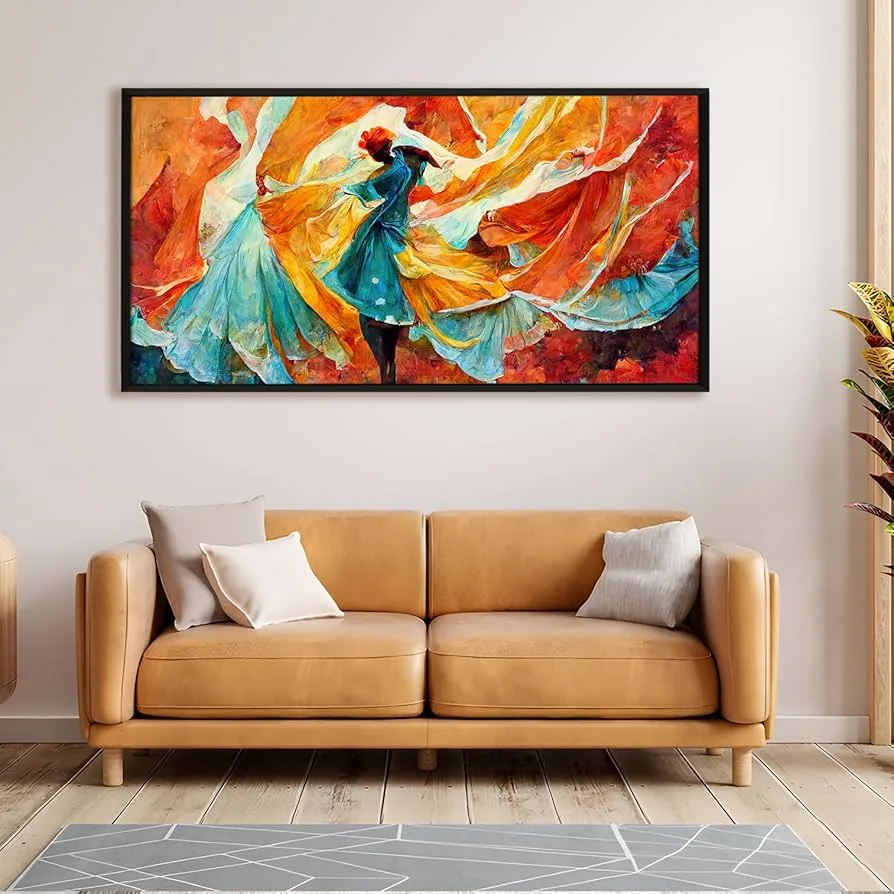
Abstract art introduces creativity and emotional impact without relying on recognizable imagery. Bold textures and vibrant color blends make abstract pieces ideal for modern minimalist interiors.
3. Metal Wall Art
Metal sculptures and laser-cut wall décor add dimension and reflect light, creating dramatic visual effects. They are particularly effective in industrial-style interiors and contemporary office environments.
4. Framed Art Prints
Framed prints offer classic sophistication, especially in traditional homes. Black, gold, or wooden frames create elegant contrast and help artwork stand out prominently.
5. Gallery Wall Collections
A gallery wall combines multiple artworks of different sizes arranged creatively. This style is perfect for personal storytelling, showcasing photography, illustrations, typography prints, or travel memories.
How to Choose the Perfect Wall Art for Any Room
Selecting wall art requires attention to scale, color palette, theme, and placement. We follow a systematic approach to ensure visual harmony:
Match the Color Scheme
Choose artwork containing accent colors already present in the room. This creates visual continuity and avoids design imbalance.
Consider Wall Size and Proportion
Large walls demand oversized artwork or multi-panel designs, while smaller spaces benefit from compact framed pieces.
Align with Room Function
- Living room: statement artwork
- Bedroom: calming, minimal art
- Office: motivational or geometric prints
- Dining area: warm, welcoming visuals
Balance with Furniture
Artwork should typically occupy 60–75% of the wall width above furniture, ensuring proportional balance.
Trending Wall Art Styles in 2026
Interior design trends evolve continuously, and the latest styles emphasize minimalism, sustainability, and expressive textures.
Minimalist Line Art
Simple black-and-white illustrations dominate modern interiors due to their timeless elegance.
Nature-Inspired Artwork
Botanical prints, mountain landscapes, and ocean themes bring organic calmness into urban spaces.
Textured Wall Art
Hand-textured paintings, fabric art, and 3D layered pieces create depth and tactile visual interest.
Oversized Statement Pieces
Large-scale artworks above sofas or beds create dramatic focal points and reduce the need for multiple decorations.
Wall Art Placement Strategies for Maximum Impact
Correct placement dramatically enhances the visual effectiveness of any artwork.
- Hang art at eye level (approximately 57–60 inches from the floor).
- Maintain consistent spacing between multiple frames.
- Use center alignment above furniture for balanced aesthetics.
- Combine vertical art pieces in rooms with high ceilings to emphasize height.
- Position lighting strategically to highlight textures and colors.
Professional placement techniques ensure artwork appears intentional rather than randomly installed, elevating the overall design appeal.
Benefits of Investing in High-Quality Wall Art
Premium wall art provides long-term advantages:
- Enhances property aesthetics and perceived value
- Creates positive psychological ambiance
- Offers long-lasting decorative durability
- Serves as personal or cultural expression
- Elevates professional branding in commercial spaces
Quality artwork functions not only as decoration but also as an investment in lifestyle aesthetics.
DIY Wall Art Ideas for Personalized Interiors
For those who prefer custom creative expression, DIY wall art offers unique personalization:
- Hand-painted abstract canvas pieces
- Framed typography quotes
- Fabric or macramé hanging art
- Photo collage gallery walls
- Recycled wood wall installations
DIY creations allow complete customization while maintaining budget-friendly interior upgrades.
Wall Art for Different Interior Themes
Modern Interiors
Choose geometric patterns, abstract prints, and monochrome palettes.
Traditional Interiors
Opt for classical paintings, floral themes, and ornate frames.
Industrial Interiors
Use metal sculptures, urban photography, and raw textures.
Luxury Interiors
Select large statement canvases, gold-accented frames, and textured artwork to enhance sophistication.
Maintenance Tips to Preserve Wall Art Quality
Proper care ensures artwork maintains its original brilliance:
- Avoid direct sunlight exposure to prevent fading
- Clean frames regularly using soft microfiber cloths
- Maintain stable indoor humidity levels
- Use protective glass for photographic prints
- Install secure hanging systems for heavy pieces
Routine maintenance keeps wall art looking gallery-fresh for years.
Future of Wall Art: Smart and Digital Displays
The next evolution of wall décor includes digital wall art displays that allow artwork rotation through smart screens. These systems enable homeowners to change themes instantly, matching seasonal décor or mood preferences. As technology merges with design, interactive wall art installations are becoming a defining trend in smart homes.
Conclusion: Elevate Every Space with Thoughtfully Selected Wall Art
Wall art remains one of the most powerful interior design tools, capable of redefining a space instantly. When we combine strategic selection, proportional placement, and thematic harmony, walls transform into expressive design features that capture attention and communicate style. Whether choosing large canvas statement pieces, elegant framed prints, or creative gallery walls, the right artwork creates interiors that feel intentional, inspiring, and visually captivating.